
Andalusian Culture: Cultural Differences Between Andalusia and the Rest of Spain
Spain is a country of incredible diversity, where each region boasts its own traditions, customs, and even linguistic peculiarities—and Andalusian culture is one of the most distinctive examples.
Andalusian culture often makes the region feel like a different world compared to other Spanish regions.
Let’s explore some key cultural differences between Andalusia and the rest of Spain.
1. Language and Accent
One of the most striking differences is the Andalusian accent. While Castilian Spanish is spoken across the country, Andalusians have a different way of pronouncing words, and a different vocabulary in some contexts. This often makes Andalusian Spanish sound faster and more fluid than the standard Spanish spoken in Madrid or the north.
If you’re curious to learn more about this topic, take a look at my post Andalusian Spanish vs Castilian Spanish 📖.
2. Lifestyle and Daily Rhythms
LA SOBREMESA
Andalusian culture has a reputation for being relaxed and enjoying life at a slower pace. The region is famous for its sobremesa, the long conversation that follows a meal. Although sobremesa is a widespread Spanish custom, in Andalusia it can last for hours, sometimes stretching into the afternoon snack or even dinner, whereas in other parts of Spain it rarely extends beyond half an hour. Andalusians truly take their food culture to another level, often spending hours socializing.
LA SIESTA
The siesta culture is still more prevalent in Andalusia than in other parts of Spain. Although it’s a myth that all Spaniards take a daily nap, the tradition does persist a bit more in Andalusia, largely because of the intense heat during the summer months. While in cities like Madrid and Barcelona many businesses remain open throughout the day, in Andalusia it is common for shops to close from around 2:00 p.m. to 5:00 p.m. so people can rest or simply avoid the hottest hours.
LA COMIDA
In Spain in general, lunch usually begins around 2:00 p.m., but in Andalusia it’s extremely rare for anyone to sit down to eat before 2:30 p.m. on a normal day. Mealtimes naturally shift even later on weekends, and when it’s a family gathering, it’s not unusual for lunch to start around 4:00 p.m. These long, unhurried meals highlight Andalusia’s strong emphasis on togetherness, conversation, and savoring the moment.
3. Festivities and Traditions
While every region in Spain has its own celebrations, Andalusian culture host some of the most iconic accross the world.
While northern regions may have their own processions and festivals, Andalusian celebrations tend to be more extravagant, filled with music, dancing, and a sense of community spirit. 💃
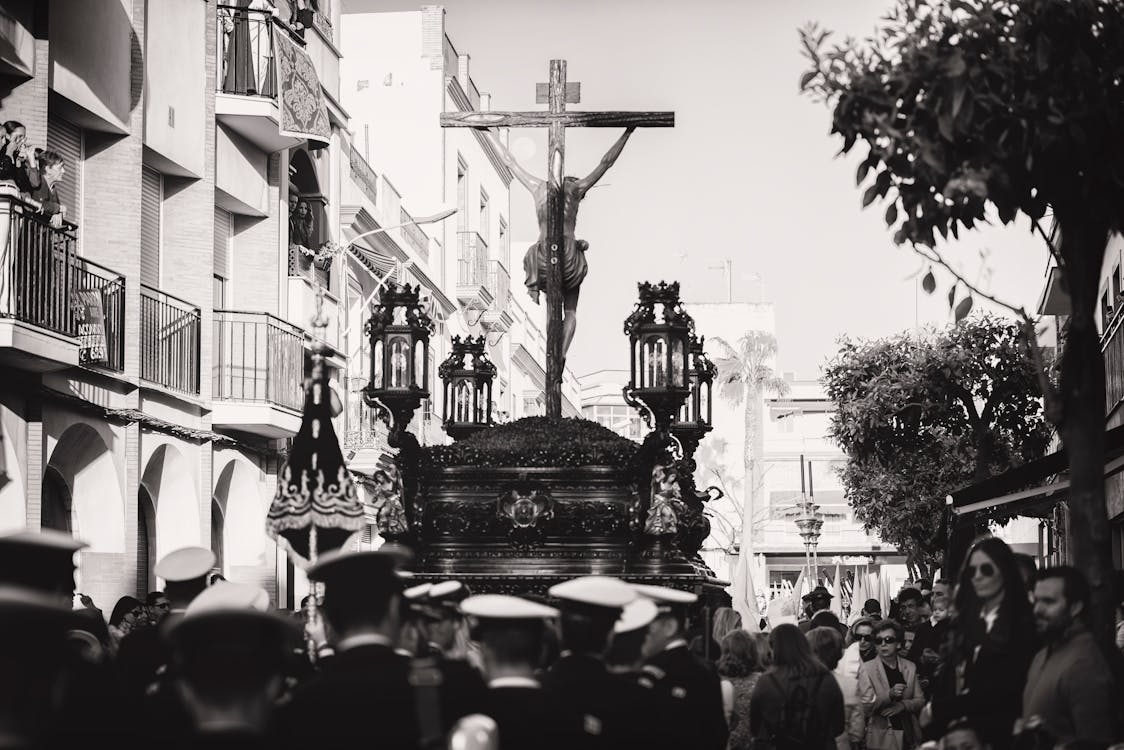
How about a post diving into the most important festivities in Andalusia? Give me a like if you’d love to see it! 👍
4. Music and Dance
Andalusia is the birthplace of flamenco, a musical and dance tradition deeply embedded in its culture. While flamenco is known worldwide as a symbol of Spain, it is much more central to everyday life in Andalusian culture than in other regions’ culture.
In Madrid or Barcelona, many people treat flamenco merely as a performance for tourists, while in Andalusia, locals uphold it as a vibrant, living tradition. You can find spontaneous juergas flamencas (flamenco jam sessions) in small bars or even in family gatherings.
5. Gastronomy in Andalusian Culture
Spanish cuisine varies greatly by region, but Andalusian food has a distinct identity. Some iconic Andalusian dishes include:
In contrast, northern Spain favors heartier, stewed dishes, while the Basque Country and Galicia serve up seafood-rich cuisine. 🍲
If you’d love a post just about Andalusian food, let me know in the comments! 📝
6. Attitude and Social Interaction
Andalusians are often perceived as more extroverted and expressive compared to people from other Spanish regions. The warm climate and social culture encourage people to spend a lot of time outdoors, chatting in the streets, at bars, or in plazas. 🌞
In contrast, people in northern Spain, particularly in regions like the Basque Country or Madrid, might seem more reserved. The Andalusian culture tendency to use humor, exaggeration, and even affectionate teasing in daily conversations can sometimes come as a surprise to people from other parts of Spain and foreigners.
7. Religion and Symbolism in Andalusian Culture
While Spain is generally becoming more secular, religious traditions still play a strong role in Andalusian culture. Andalusian society deeply embraces the Catholic faith, which shines through in the grandeur of Semana Santa, the devotion to the Virgin Mary, and the many religious festivals that people celebrate throughout the year.
Other regions, particularly in northern Spain, have moved away from religious traditions at a faster pace. While cities like Barcelona and Bilbao may focus more on modernist architecture and contemporary culture, cities like Seville and Granada still revolve around historical and religious landmarks. 🏰
Conclusion about Andalusian Culture 🌟
Andalusia’s cultural identity is deeply rooted in its history, climate, and traditions. While Spain as a whole is diverse, Andalusia stands out for its accent, lifestyle, festivals, musical heritage, and social interactions. These differences make Andalusia a world of its own—one that continues to enchant visitors and locals alike.
If you want to discover more surprising facts about Andalusia, check out my online courses.